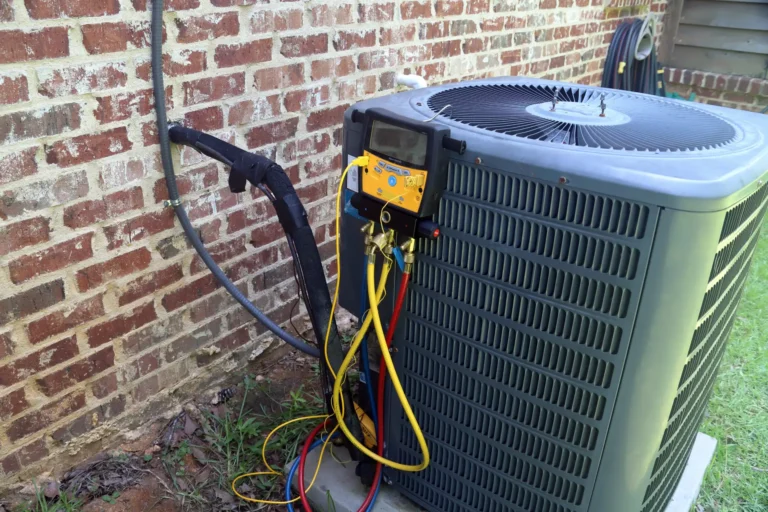

A furnace that sits unused from April through October does not stay ready for winter. Moisture can collect inside the heat exchanger. Dust coats the burners and the blower wheel. The flame sensor oxidizes. When you turn the thermostat to heat for the first time, the unit may lock out, produce a yellow flame, or cycle too quickly. In Osceola, that first call for heat often comes on a night when temperatures fall into the twenties. Furnace maintenance done ahead of that night restores clean combustion, proper airflow, and reliable ignition.
We treat furnace maintenance as the work that keeps your home livable through a northern Indiana winter. Skipping it does not always cause an immediate failure. It causes gradual decline. The blower works harder. The burners run richer or leaner than they should. The heat exchanger runs hotter than design. Those conditions shorten equipment life and raise fuel use. A scheduled furnace tune-up reverses that decline before the heating season starts. We at Four Winds Custom Heating and Air Conditioning perform this work on gas furnaces throughout Osceola so the system is ready before demand arrives.
How Summer Idle Time Changes Furnace Operation
During the cooling months, the furnace cabinet becomes a settling place for household dust, pet dander, and insects. The blower wheel picks up a layer of debris that unbalances it and reduces airflow. Restricted airflow raises the temperature of the heat exchanger above the range the manufacturer intended. A dirty flame sensor may fail to prove flame on the first try, which causes repeated ignition attempts and a lockout. Insects nest in the inducer housing or the burner box. These conditions are common after a long idle period, and they are preventable with furnace service before the first freeze.
We also see oxidation on the burners after months of humidity inside a closed cabinet. A burner that does not light evenly produces incomplete combustion. Incomplete combustion can create carbon monoxide and leave soot on the heat exchanger. The draft inducer motor bearings can dry out from lack of use. On a high-efficiency furnace, the condensate trap can dry and allow flue gas to escape into the mechanical space. Furnace maintenance in early autumn addresses each of these points so the system starts cleanly and runs through the full season without mid-winter interruption.
Our Furnace Tune-Up Sequence
We follow a consistent sequence on every furnace tune-up so nothing is missed. The visit begins with a short conversation about how the system performed last winter and any new noises, odors, or cold rooms you noticed. We then shut power and gas, open the cabinet, and work through mechanical, combustion, and electrical checks in a fixed order. After adjustments, we run the furnace through a full heating cycle and confirm that temperature rise and safety switches operate as designed.
This sequence is the core of our furnace service work. It is not a filter change and a glance at the burners. It is a documented inspection that produces readings you can keep for your records. The steps below show the order we use on a typical gas furnace in an Osceola home.
- Filter and cabinet inspection – We replace or clean the filter and vacuum loose debris from the blower compartment and burner area.
- Burner and heat exchanger cleaning – We brush and vacuum the burners and inspect the heat exchanger for cracks, rust, or hot spots.
- Ignition and flame sensor service – We clean the flame sensor and test the hot surface igniter or spark ignition system for reliable light-off.
- Gas pressure and combustion check – We measure manifold pressure and observe flame color and stability across all burners.
- Blower and electrical testing – We check capacitor health, motor amp draw, and belt condition on older belt-drive units.
- Safety control verification – We test limit switches, rollout switches, and pressure switches under operating conditions.
- System operation and temperature rise – We run the furnace and confirm the temperature rise falls inside the manufacturer range printed on the rating plate.
After the sequence we record the readings and note any parts that show wear. You receive a clear report of what we found and what we recommend. This is furnace maintenance completed as a full service visit. If a part is near the end of its life, we explain the risk so you can decide whether to replace it now or monitor it through the season.
The Readings We Record and Why They Matter
We do not guess whether a furnace is operating correctly. We measure. Temperature rise tells us whether airflow matches the heat the burners produce. If the rise is too high, the heat exchanger is overheating and the limit switch may start to trip. If the rise is too low, the unit may be short-cycling or the gas pressure may be set below the rating plate. Manifold gas pressure must match the value stamped on the furnace. Too much pressure wastes fuel and can overheat the heat exchanger. Too little pressure produces a weak flame and poor heat delivery to the supply ducts.
We also check static pressure in the duct system when airflow problems appear. High static pressure means the blower is working against restriction. That restriction often comes from a dirty filter, closed dampers, or an undersized return. Carbon monoxide testing at the flue and in the space around the unit confirms that combustion gases stay inside the heat exchanger and leave through the vent. Amp draw on the inducer and blower motors shows whether bearings are failing or a capacitor is weak. These readings turn a visual inspection into a documented furnace tune-up. They also help us advise you when continued service on an aging unit is less practical than planning a replacement.
- Temperature rise – Compared against the range printed on the furnace rating plate for that model.
- Manifold gas pressure – Set to the value specified for natural gas or propane on the rating plate.
- Carbon monoxide – Measured at the flue and near the cabinet to confirm safe, complete combustion.
- Motor amp draw – Compared to nameplate values to detect bearing wear or a failing capacitor.
- Flame signal microamps – Confirms the flame sensor is proving flame on the first ignition attempt.
We explain each number in plain language. You do not need to be an HVAC technician to understand whether the furnace is inside specification. If a reading is outside the allowed range, we show you what it means for comfort, fuel use, and safety before we recommend any repair.
Heating Equipment We Service in Osceola Neighborhoods
Osceola includes older homes with original or replacement 80 percent AFUE furnaces and newer construction with condensing units rated 95 percent AFUE and higher. The maintenance steps differ by design. An 80 percent furnace uses a metal flue and either a draft hood or a draft inducer. We check the flue for blockage, bird nests, or corrosion and confirm that draft is present when the burners fire. A condensing furnace produces acidic condensate. We flush the trap, verify the drain path, and inspect the secondary heat exchanger for corrosion or restriction. Both types need a clean flame sensor and a verified temperature rise, but the venting and condensate work is specific to each cabinet.
We also service furnaces in ranch homes with long duct runs and in two-story houses where upstairs rooms can lag behind the main floor. In those layouts we pay extra attention to blower speed, filter condition, and return-air path because airflow problems show up as cold rooms rather than a complete shutdown. Compact mechanical closets and mobile-home installations need careful clearance and combustion-air checks so the burners receive enough air. Four Winds Custom Heating and Air Conditioning was founded in 1990, and Four Winds Custom Heating and Air Conditioning has worked on this range of equipment across the area since then. Through our qualification as a Carrier Factory Authorized Dealer, our NATE-certified technicians remain current in evolving heating, cooling, ventilation, and indoor air quality technology. That training covers both legacy single-stage gas furnaces and the communicating controls found on current high-efficiency models.
If your furnace is paired with a humidifier or an electronic air cleaner, we include those accessories in the furnace tune-up. A clogged humidifier pad or a dirty collector cell restricts airflow the same way a dirty filter does. Treating the whole heating assembly as one system is how we keep furnace maintenance complete. When you schedule this work with Four Winds Custom Heating and Air Conditioning, you get a documented visit that prepares the unit for the full Osceola heating season. We serve as your HVAC company for this furnace service and for any follow-up repair the inspection may reveal.