
Top 5 Green HVAC Solutions for Eco-Conscious Homeowners: A Guide to Sustainable Comfort
As energy costs continue to rise and environmental awareness grows stronger in communities across Osceola, South Bend, and surrounding areas, homeowners increasingly seek sustainable heating and cooling solutions that reduce both their carbon footprint and monthly utility bills. At Four Winds Heating & Air, we understand that comfort shouldn’t come at the expense of environmental responsibility. Our commitment to green technology has evolved significantly since our founding in 1990, and today we offer cutting-edge eco-friendly systems that deliver exceptional performance while minimizing environmental impact.
The shift toward sustainable HVAC solutions represents more than just a trend—it’s a fundamental change in how we approach home comfort. Modern green technologies can reduce energy consumption by up to 50% compared to traditional systems, translating to substantial savings and significantly lower greenhouse gas emissions. Let’s explore the top five green HVAC solutions that can transform your home into an eco-friendly haven while maintaining the comfort levels you expect.
1. High-Efficiency Heat Pumps: The Dual-Purpose Solution
Heat pumps represent one of the most versatile and energy-efficient options available for eco-conscious homeowners. Unlike traditional furnaces that burn fuel to create heat, heat pumps transfer existing heat from one location to another, consuming far less energy in the process. During winter months, they extract heat from outdoor air—even in temperatures as low as minus 15 degrees Fahrenheit—and transfer it inside. In summer, the process reverses, removing heat from your home and releasing it outdoors.
Modern heat pump systems achieve efficiency ratings of up to 300-400%, meaning they produce three to four units of heating or cooling energy for every unit of electricity consumed. This remarkable efficiency stems from their ability to move heat rather than generate it. Through our qualification as a Carrier Factory Authorized Dealer, our NATE-certified technicians remain current in evolving heating, cooling, ventilation, and indoor air quality technology, ensuring we install systems that maximize both comfort and efficiency. Variable-speed compressors in advanced models adjust output based on demand, eliminating the energy waste associated with constant on-off cycling common in older systems.
2. Geothermal Systems: Harnessing Earth’s Natural Energy
Geothermal heating and cooling systems represent the pinnacle of sustainable HVAC technology, utilizing the earth’s constant underground temperature to provide year-round comfort. These systems circulate a water-based solution through underground pipes, taking advantage of soil temperatures that remain relatively stable at 50-60 degrees Fahrenheit throughout the year. This consistency allows geothermal systems to operate with incredible efficiency, often achieving 400-600% efficiency ratings.
While the initial installation investment for geothermal systems exceeds that of conventional HVAC equipment, the long-term benefits are substantial. Operating costs typically decrease by 40-70% compared to traditional systems, and the underground components can last 50 years or more with minimal maintenance. Additionally, geothermal systems eliminate the need for outdoor condensing units, reducing noise pollution and improving property aesthetics. Federal tax credits and local utility rebates can offset up to 30% of installation costs, making this green technology increasingly accessible to homeowners in Mishawaka, Elkhart, and Granger areas.
3. Smart Thermostats and Zoning Systems: Precision Comfort Control
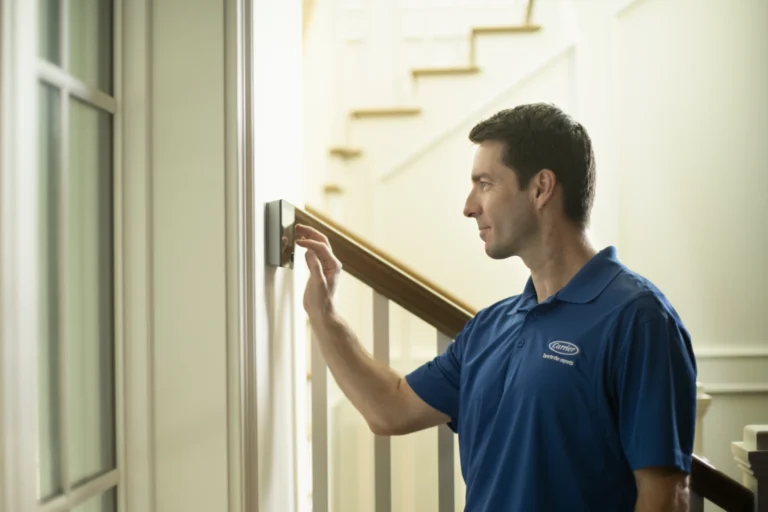
Intelligent climate control represents a crucial component of any green HVAC strategy. Smart thermostats learn your family’s patterns and preferences, automatically adjusting temperatures based on occupancy, time of day, and even weather forecasts. These devices can reduce heating and cooling costs by 20-30% through features like geofencing, which detects when you’re away and adjusts settings accordingly, and adaptive recovery, which ensures your home reaches desired temperatures precisely when needed without wasteful early starts.
Zoning systems take efficiency further by dividing homes into separate climate-controlled areas, allowing you to heat or cool only occupied spaces. This targeted approach eliminates the waste of conditioning unused rooms, particularly beneficial in larger homes or those with varying sun exposure throughout the day. Advanced zoning configurations integrate seamlessly with smart thermostats, creating a comprehensive control system that maximizes both comfort and efficiency.
4. Energy Recovery Ventilators: Fresh Air Without Energy Loss
- Heat Exchange Technology: Captures up to 80% of energy from exhaust air
- Humidity Control: Maintains optimal indoor moisture levels year-round
- Filtration Benefits: Removes pollutants while preserving energy
- Continuous Operation: Provides constant fresh air without significant energy penalty
Energy recovery ventilators (ERVs) solve a critical challenge in modern, tightly sealed homes: maintaining fresh air circulation without sacrificing energy efficiency. These systems use innovative heat exchange cores to transfer temperature and humidity between incoming and outgoing air streams, dramatically reducing the energy required to condition fresh air. During winter operations in South Bend’s cold climate, ERVs pre-warm incoming air using heat from stale exhaust air, while summer operation pre-cools and dehumidifies incoming air.
5. Solar-Powered HVAC Integration: The Ultimate Green Solution
Combining HVAC systems with solar power generation creates the ultimate sustainable comfort solution. Modern solar panels can generate sufficient electricity to power high-efficiency heating and cooling equipment, potentially eliminating utility costs entirely. Battery storage systems now allow excess solar energy generated during peak sunlight hours to power HVAC operations during evening and nighttime hours, ensuring continuous comfort regardless of weather conditions.
The integration process requires careful system sizing and professional installation to ensure optimal performance. Our experienced technicians analyze your home’s energy consumption patterns, roof orientation, and local climate data to design systems that maximize solar utilization while maintaining reliable comfort throughout the year.