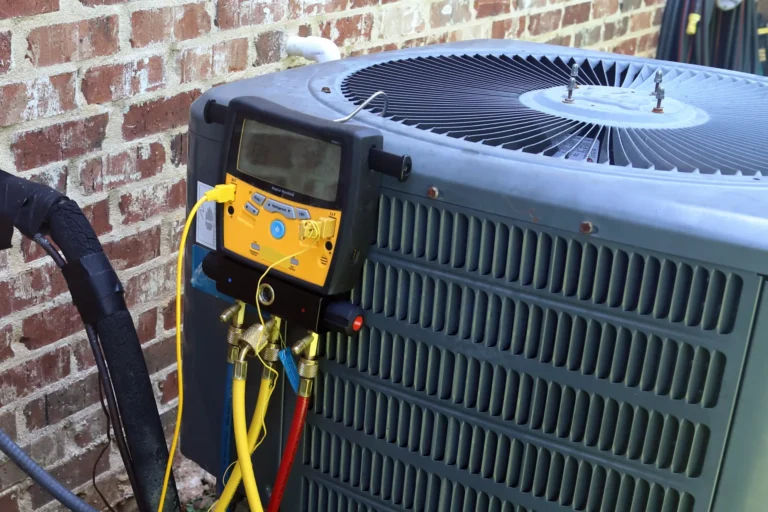

Understanding the Evolution of HVAC Technology
The landscape of home climate control has transformed dramatically since Four Winds Heating & Air was founded in 1990. Today’s homeowners face an exciting opportunity to enhance their comfort while reducing energy consumption through strategic HVAC upgrades. Modern heating and cooling systems incorporate sophisticated technologies that weren’t imaginable just a decade ago, offering unprecedented control, efficiency, and integration with smart home ecosystems.
As energy costs continue to rise and environmental consciousness grows, future-proofing your HVAC system becomes not just a luxury but a practical investment. The average American household spends approximately $2,200 annually on energy bills, with heating and cooling accounting for nearly half of that expense. By implementing smart technologies and efficiency upgrades, homeowners can reduce these costs by 20-40% while enjoying superior comfort and convenience.
Smart Thermostats: The Brain of Modern Climate Control
Smart thermostats represent the most accessible entry point into HVAC modernization. These devices learn your daily routines, automatically adjusting temperatures based on occupancy patterns and preferences. Advanced models incorporate geofencing technology, detecting when you’re approaching home and pre-conditioning spaces for optimal comfort upon arrival. Our NATE-certified technicians regularly install systems that integrate with popular platforms like Google Home, Amazon Alexa, and Apple HomeKit, enabling voice control and remote management through smartphone applications.
The data analytics capabilities of smart thermostats provide valuable insights into energy consumption patterns. Monthly reports highlight usage trends, suggest optimization strategies, and track savings over time. Some models even monitor local weather forecasts, adjusting heating and cooling cycles proactively to maintain consistent indoor temperatures despite changing outdoor conditions. This predictive approach minimizes system cycling, reducing wear on components while maintaining optimal comfort levels.
Variable-Speed Technology and Zoning Systems
Traditional HVAC systems operate at full capacity whenever activated, creating temperature swings and energy waste. Variable-speed compressors and blowers revolutionize this approach by modulating output to match actual demand. These systems can operate at capacities ranging from 25% to 100%, maintaining precise temperature control while consuming significantly less energy during mild weather conditions.
Zoning systems complement variable-speed technology by dividing homes into distinct climate zones, each with independent temperature control. This configuration proves particularly valuable in multi-story homes or properties with varying sun exposure throughout the day. Through our qualification as a Carrier Factory Authorized Dealer, we install sophisticated zoning solutions that can manage up to eight separate zones, ensuring every room maintains ideal comfort without conditioning unused spaces.
Energy Recovery Ventilation and Indoor Air Quality
Modern homes built with enhanced insulation and air sealing require mechanical ventilation to maintain healthy indoor air quality. Energy recovery ventilators (ERVs) and heat recovery ventilators (HRVs) introduce fresh outdoor air while recovering energy from exhausted indoor air. During winter, these systems capture heat from outgoing air to pre-warm incoming fresh air, reducing heating loads by up to 80%.
Advanced filtration systems now incorporate HEPA filters, UV-C germicidal lights, and photocatalytic oxidation to neutralize airborne contaminants. These technologies prove especially valuable for households with allergy sufferers or respiratory sensitivities. Integration with smart home systems enables real-time air quality monitoring, automatically adjusting ventilation rates when pollutant levels rise.
Essential Upgrades for Maximum Efficiency
Achieving optimal energy efficiency requires a comprehensive approach beyond equipment upgrades. Key improvements include:
- Duct sealing and insulation – Addressing leaks in ductwork can improve system efficiency by 20-30%
- Programmable dampers – Automated airflow control optimizes distribution throughout your home
- High-efficiency filters – MERV 13-16 filters capture smaller particles while maintaining proper airflow
Planning Your HVAC Future
Successful HVAC modernization requires careful planning and professional expertise. Start by conducting a comprehensive energy audit to identify efficiency opportunities specific to your home. Consider factors like existing equipment age, insulation quality, and future home improvement plans when developing your upgrade strategy.
The integration of renewable energy sources, such as solar panels or geothermal systems, represents the next frontier in HVAC efficiency. While initial investments may seem substantial, federal tax credits and utility rebates can offset 30-50% of installation costs. Combined with reduced operating expenses, these systems typically achieve payback within 5-10 years while providing decades of reliable service.
Future-proofing your HVAC system through smart technologies and efficiency upgrades delivers immediate comfort improvements while positioning your home for long-term savings and environmental responsibility. Whether you’re addressing AC repair needs in South Bend or planning comprehensive HVAC installation throughout Michiana, investing in modern climate control technology ensures your home remains comfortable, efficient, and ready for tomorrow’s energy landscape.