
Understanding Critical HVAC System Failures
When your heating or cooling system suddenly stops working, knowing how to respond can mean the difference between a minor inconvenience and costly damage to your home. Throughout our years serving Osceola, South Bend, Mishawaka, and surrounding Indiana communities, we’ve encountered countless emergency situations that homeowners could have managed more effectively with proper knowledge. Your HVAC system operates through complex interactions between electrical components, mechanical parts, and refrigerant systems, and understanding these basics helps you recognize when immediate action is necessary versus when you can safely wait for professional assistance.
Modern HVAC systems incorporate sophisticated safety features designed to prevent catastrophic failures, but these same features can cause your system to shut down unexpectedly when detecting potential problems. Learning to identify the warning signs and taking appropriate initial steps protects both your equipment investment and your family’s comfort. Since Four Winds Heating & Air was founded in 1990, we’ve witnessed how proper emergency response dramatically reduces repair costs and system downtime for homeowners who understand their equipment.
Complete System Shutdown During Extreme Weather
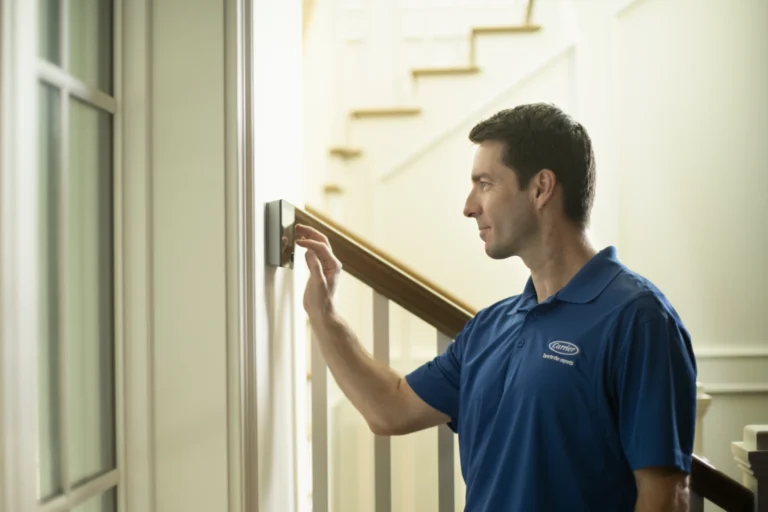
Nothing causes more panic than losing heat during a January cold snap or air conditioning during August’s peak temperatures. Before calling for emergency service, check your thermostat batteries first, as dead batteries remain the most common cause of apparent system failures. Next, verify your circuit breaker hasn’t tripped, particularly if you’ve been running multiple appliances simultaneously. Many homeowners in Elkhart and Granger don’t realize their HVAC system requires dedicated electrical capacity, and overloaded circuits frequently cause unexpected shutdowns.
If electrical components check out, examine your furnace’s power switch, often mounted on nearby walls or the unit itself, which can accidentally get switched off during basement activities or storage reorganization. For gas furnaces, ensure your gas valve remains open and your pilot light, if applicable, stays lit. Our NATE-certified technicians frequently discover emergency calls result from these simple issues that homeowners can resolve independently. However, if you smell gas anywhere near your furnace, immediately evacuate your home and contact your utility company from outside before addressing any HVAC concerns.
Refrigerant Leaks and Frozen Components
Ice formation on your air conditioner’s indoor or outdoor components signals serious problems requiring immediate attention. When refrigerant levels drop due to leaks, the remaining refrigerant expands too rapidly, causing temperature drops that freeze condensation on coils and lines. Continuing to operate your system with frozen components causes compressor damage, transforming a manageable repair into an expensive replacement. If you notice ice formation, immediately shut down your system and switch your thermostat to fan-only mode, helping thaw frozen components while maintaining air circulation.
Refrigerant leaks manifest through several symptoms beyond visible ice, including hissing sounds near refrigerant lines, unusually high electric bills despite normal usage patterns, and warm air blowing from vents despite proper thermostat settings. Through our qualification as a Carrier Factory Authorized Dealer, we maintain specialized equipment for detecting and repairing refrigerant leaks while ensuring proper EPA-compliant refrigerant handling procedures protect both your family and the environment.
Strange Noises and Burning Smells
Unusual sounds from your HVAC system often precede complete failures, providing valuable warning time for preventive action. Grinding or scraping noises typically indicate bearing failures in blower motors, while squealing suggests belt problems in older systems or bearing issues in direct-drive motors. Banging or popping sounds during startup or shutdown usually result from expanding or contracting ductwork but can indicate delayed ignition in gas furnaces, creating dangerous combustion conditions.
Burning smells require immediate investigation and response based on their characteristics:
- Dusty or musty burning odors often occur during season startup when accumulated dust burns off heat exchangers
- Electrical burning smells indicate overheating components requiring immediate system shutdown
- Oil or rubber odors suggest motor problems demanding professional attention
- Rotten egg smells signal potential gas leaks requiring immediate evacuation and utility company notification
Water Leaks and Drainage Problems
Water pooling around your furnace or air handler indicates blocked condensate drainage requiring prompt attention to prevent water damage and mold growth. Modern high-efficiency furnaces and air conditioners generate significant condensation during normal operation, relying on drainage systems to remove this moisture safely. When serving customers across Edwardsburg and throughout Michigan’s border communities, we frequently encounter drainage problems caused by algae growth, sediment accumulation, or frozen drain lines during winter months.
Clearing condensate drains involves carefully flushing lines with water or using compressed air to remove blockages, but improper techniques can damage drain pans or create indoor air quality problems. Regular maintenance prevents most drainage emergencies, but when problems occur, immediately shut off your system to prevent overflow while addressing the blockage to restore proper operation and protect your home from water damage.