
How Smart Home Integration With Your HVAC System Can Save You Money and Improve Comfort Year-Round
A heating and cooling system that reacts to how you actually live will use less energy than one that runs on a fixed schedule or a manual thermostat. This is the core idea behind smart home integration. When your HVAC equipment communicates with sensors, learning thermostats, and mobile apps, it stops heating and cooling empty rooms, stops overshooting the temperature you want, and starts responding to real conditions inside and outside your home. For households across Osceola, South Bend, Mishawaka, Elkhart, Granger, and Edwardsburg, this means lower monthly bills and a more consistent indoor environment through every season.
At Four Winds Heating & Air, we help homeowners connect modern thermostats and controls to existing and new systems in a way that is practical and reliable. Smart integration is not about adding gadgets for their own sake. It is about using data and automation to make the equipment you already depend on work smarter. Below, we walk through how the technology works, what it controls, and where the real savings come from.
Start With the Thermostat: The Brain of a Connected System
The smart thermostat is the foundation of HVAC integration. Unlike a basic programmable model, a smart thermostat learns your patterns over time, detects when the house is empty, and adjusts heating or cooling automatically. Many models pull local weather data and factor outdoor temperature and humidity into their decisions, so the system does not work harder than it needs to. A furnace does not need to run at full capacity if the thermostat knows a warm afternoon is coming.
Installation and configuration matter here. A thermostat that is wired incorrectly or placed near a heat source will report false readings and waste energy. Our NATE-certified technicians handle the wiring, verify compatibility with your furnace, heat pump, or air conditioner, and confirm that the thermostat communicates correctly with every stage of your equipment. For multi-stage or variable-speed systems, proper setup is especially important, because a smart thermostat that only recognizes one stage will skip the efficiency benefits the equipment was designed to deliver.
Zoning and Sensors: Comfort Where You Actually Spend Time
One of the largest sources of wasted energy in a home is conditioning rooms that no one is using. Smart zoning solves this by dividing your home into separate areas, each with its own temperature target. Motorized dampers in the ductwork open and close based on which zones call for heating or cooling. Remote room sensors track temperature and occupancy, so the system can prioritize the bedrooms at night and the living areas during the day.
Consider a two-story home where the upstairs runs warm in summer while the main floor stays comfortable. A zoned, sensor-driven system directs cooling to the upper floor without overcooling the rest of the house. The same logic applies in winter, when rooms on the north side of a home lose heat faster. Sensors catch that difference and let the system respond. Here are the practical gains homeowners notice most:
- Fewer hot and cold spots: temperature stays even across rooms and floors rather than swinging between extremes.
- Reduced runtime: equipment conditions occupied zones instead of the entire house, which lowers energy use.
- Quieter operation: lower demand often means the system runs at reduced capacity rather than cycling at full blast.
- Longer equipment life: less total runtime reduces wear on the compressor, blower, and heat exchanger.
Remote Monitoring and Predictive Maintenance
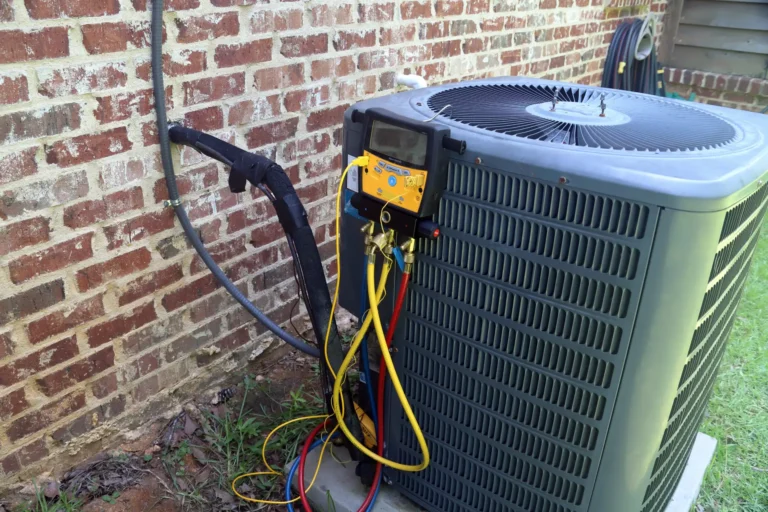
Smart integration extends beyond daily comfort into the long-term health of your system. Connected equipment reports performance data continuously. If airflow drops, a filter clogs, or a compressor begins drawing abnormal current, the system can flag the issue through an app notification before it turns into a breakdown. This shifts maintenance from reactive to predictive, which is where meaningful savings add up over the life of the equipment.
For homeowners, this means fewer surprise failures on the coldest night of January or the hottest afternoon in July. For Four Winds Heating & Air, remote data helps us diagnose problems more accurately before a visit, so our technicians arrive prepared with the right parts and information. Through our qualification as a Carrier Factory Authorized Dealer, we stay current with the diagnostic and connectivity features built into modern Carrier equipment, which makes integration smoother and more dependable.
Where the Savings Come From
The financial case for smart integration rests on measurable reductions in energy consumption. When a system no longer heats an empty house or cools rooms past the point of comfort, the hours of runtime drop. Fewer runtime hours translate directly into lower utility bills and reduced strain on components. Additional savings come from these mechanisms:
- Occupancy-based setbacks: the system automatically reduces output when sensors detect no one is home.
- Weather-responsive operation: outdoor data prevents overcooling and overheating during mild transition periods.
- Staged equipment control: variable-speed and multi-stage systems run at lower capacity most of the time, which is far more efficient than full-power cycling.
- Early fault detection: catching a failing part early avoids the extended inefficiency of a system struggling before it quits.
Integration Done Right From Start to Finish
A successful smart HVAC setup depends on proper equipment matching, correct wiring, accurate sensor placement, and a thermostat configured to use every capability your system offers. Skipping any of these steps undercuts the savings and the comfort the technology promises. We evaluate your current equipment, confirm what features your furnace, heat pump, or air conditioner supports, and recommend controls that fit the home rather than overselling hardware you do not need.
Four Winds Heating & Air has served the South Bend, Mishawaka, Elkhart, Granger, Osceola, and Edwardsburg area since 1990. Whether you are upgrading an existing system, pairing smart controls with a new installation, or adding zoning to improve comfort in problem rooms, we handle the technical work so the result is reliable and efficient. If you want your heating and cooling to respond to how you live while trimming energy costs, connected HVAC technology is a practical investment, and we are ready to help you make it work.