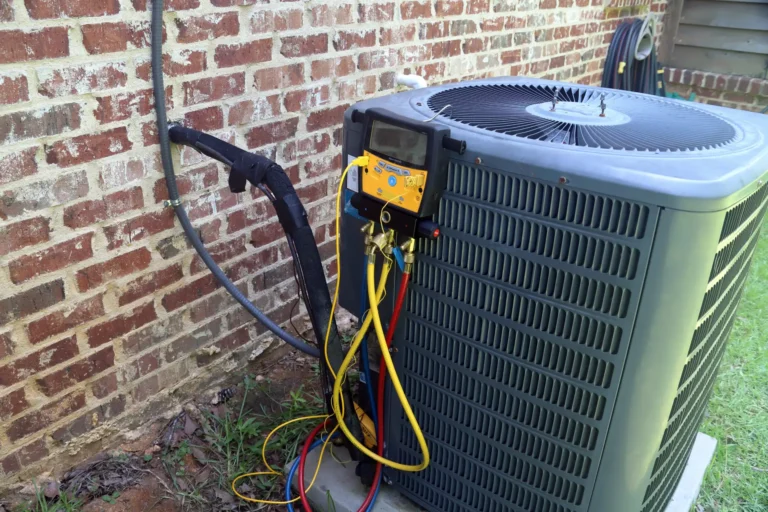

A properly sized HVAC system in South Bend can cut your annual energy costs by 20 to 30 percent compared to an aging or improperly matched unit. That single fact drives nearly every decision we make during an installation. Sizing, ductwork condition, refrigerant lines, electrical capacity, and airflow balance all factor into how well your equipment performs over the next 15 to 20 years. Getting these details right at the start prevents the premature failures and uneven temperatures that plague rushed installations.
What Goes Into a Quality HVAC Installation
Before any equipment arrives, we conduct a thorough load calculation based on your home’s square footage, insulation levels, window placement, ceiling height, and the orientation of the structure. This is often referred to as a Manual J calculation, and it determines exactly how many BTUs of heating and cooling your space requires. Oversized units short-cycle and waste energy, while undersized units run constantly and struggle to keep up during peak summer humidity or January cold snaps.
Once we establish the correct capacity, we evaluate your existing ductwork for leaks, undersized runs, and poor insulation. Roughly a quarter of conditioned air can be lost through faulty ducts, so addressing these issues at installation protects the efficiency of your new system. We also inspect electrical service, condensate drainage, and venting to confirm everything meets current code and supports the equipment you are installing.
Our Installation Process From Start to Finish
We follow a structured sequence on every job to ensure consistent, reliable results. Each stage builds on the last, and we do not skip steps to save time.
- In-home assessment: We measure your space, evaluate existing systems, and discuss your comfort priorities and budget range.
- System selection: We recommend equipment matched to your load calculation, whether that means a high-efficiency furnace, a central air conditioner, or a complete system replacement.
- Old equipment removal: We safely disconnect and haul away your outdated unit, recovering refrigerant according to EPA regulations.
- Installation and connection: We set the new equipment, connect ductwork, refrigerant lines, gas or electrical supply, and venting with precision.
- Testing and calibration: We verify airflow, check refrigerant charge, confirm safe combustion, and calibrate the thermostat before we leave.
This methodical approach means your new HVAC system performs exactly as the manufacturer intended. We document each measurement and walk you through the operation of your new equipment so you understand how to get the most from it.
Air Conditioner Installation for Indiana Summers
South Bend summers bring heat and high humidity that test any cooling system. When we handle an air conditioner installation, we pay close attention to refrigerant line sizing and the proper evacuation of the lines before charging the system. Air and moisture trapped in the lines cause compressor damage and reduce efficiency, so we pull a deep vacuum and verify it holds before releasing refrigerant.
We install systems with SEER2 ratings appropriate to your goals, balancing upfront investment against long-term energy savings. A higher-efficiency unit costs more initially but pays back through lower electric bills across many cooling seasons. We also discuss variable-speed and two-stage options that improve humidity control and quiet operation, both significant comfort factors during muggy August afternoons.
Heater Installation Built for Lake-Effect Winters
Heating equipment carries the heaviest load in our region, often running for months at a stretch. During a heater installation, we focus on combustion safety, proper venting, and AFUE efficiency ratings that determine how much of your fuel actually becomes usable heat. A 95 percent efficient furnace wastes only a fraction of its fuel, while older units commonly operated at 70 percent or less.
We size furnaces to match your home’s heat-loss profile and confirm that the existing flue or new venting handles the byproducts of combustion safely. For homes considering heat pumps, we explain how modern cold-climate models perform in Indiana temperatures and how they pair with backup heating for the coldest days. Proper installation prevents carbon monoxide risks and ensures even heat distribution throughout the house.
Why Work With Our Team
Through our qualification as a Carrier Factory Authorized Dealer, our NATE-certified technicians remain current in evolving heating, cooling, ventilation, and indoor air quality technology. That certification reflects ongoing training and a commitment to manufacturer standards that protect your warranty and your investment. Four Winds Custom Heating and Air Conditioning was founded in 1990, and we have spent those decades refining how we install systems for South Bend homes and businesses.
When you are ready to discuss a new system, reach out and we will schedule your in-home assessment.